Fire safety is often associated with alarms, sprinklers, and evacuation plans—but one of the most critical and overlooked components of a building’s passive fire protection system is the fire door. These doors are specifically designed to slow the spread of fire and smoke, protecting escape routes and saving lives. However, their effectiveness depends entirely on proper installation, maintenance, and—most importantly—regular inspections.
What Is a Fire Door?
A fire door is a specially constructed door made from fire-resistant materials, designed to withstand fire for a specified period—typically 30 or 60 minutes. You’ll find them in offices, apartment buildings, hospitals, schools, and many other public or shared spaces. When functioning correctly, they compartmentalise a building, preventing fire and smoke from spreading rapidly.
The Hidden Risks of Neglect
Fire doors are used every day, often without a second thought. They’re opened, closed, propped open, or even tampered with. Over time, wear and tear can compromise their integrity. A damaged seal, misaligned hinge, or faulty latch might seem minor—but in a fire, these small issues can render the door ineffective.
Without regular inspections, these faults often go unnoticed. In an emergency, that failure could mean the difference between a controlled situation and a catastrophic one.
Why Regular Inspections Are Essential
1. Life Safety
The primary purpose of fire doors is to protect lives. Inspections ensure that doors will perform as intended during a fire, maintaining safe evacuation routes and reducing exposure to smoke and flames.
2. Legal Compliance
In the UK, fire safety regulations require routine inspection and maintenance of fire doors. Failure to comply can result in fines, legal action, or even closure of a building.
3. Property Protection
By containing fire and smoke, fire doors help limit damage to a specific area. This can significantly reduce repair costs and business disruption after an incident.
4. Insurance Requirements
Insurance providers often require proof of regular fire safety maintenance. Neglecting inspections could invalidate policies or lead to denied claims.
What Does a Fire Door Inspection Involve?
A proper inspection goes beyond a quick visual check. It includes:
- Verifying that the door closes fully and latches securely
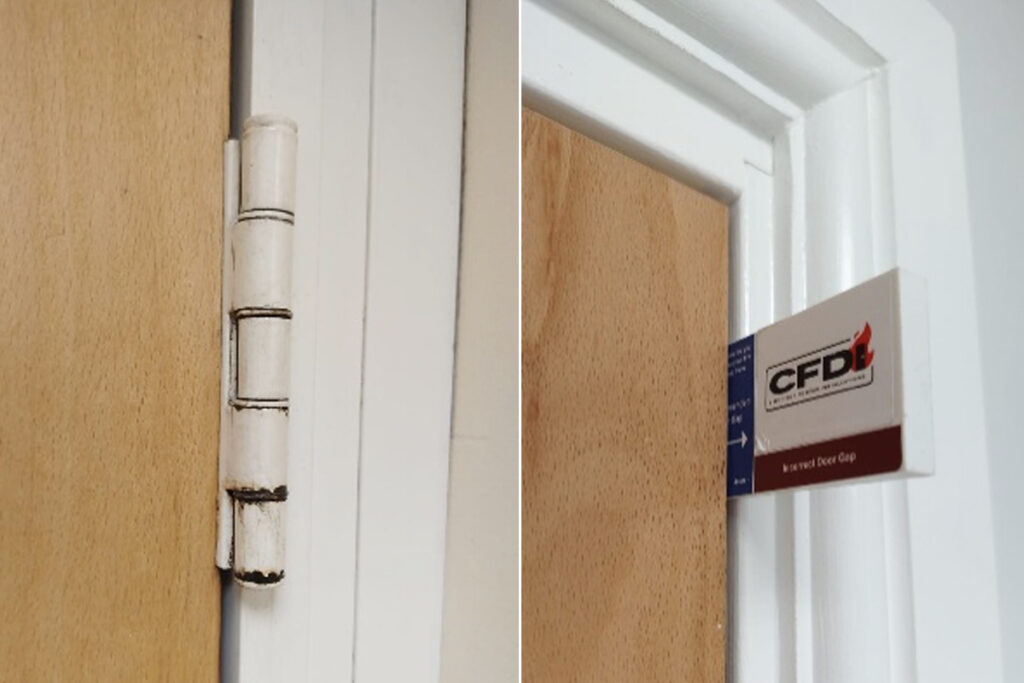
- Checking for gaps around the door frame
- Inspecting seals and intumescent strips for damage
- Ensuring hinges and hardware are in good condition
- Confirming that the door has not been altered or improperly repaired
Professionals use detailed checklists to ensure every component meets safety standards.
Common Issues Found During Inspections
Some of the most frequent problems include:
- Doors being wedged open
- Missing or damaged seals
- Incorrect or non-compliant hardware
- Excessive gaps between the door and frame
- Poor installation or modifications
These issues are often easy to fix—but only if they’re identified in time.
How Often Should Fire Doors Be Inspected?
Best practice typically recommends inspections at least once every six to twelve months, depending on the building type and usage. High-traffic areas may require more frequent checks.
Building a Culture of Safety
Fire door inspections shouldn’t be treated as a box-ticking exercise. They’re a vital part of a broader safety culture. Educating staff and occupants about the importance of keeping fire doors closed and unobstructed can make a significant difference.
Final Thoughts
Fire doors are silent protectors—working in the background, unnoticed until they’re needed most. Regular inspections ensure they’re ready to do their job when it counts. Investing time and resources into fire door maintenance isn’t just about compliance—it’s about safeguarding lives, property, and peace of mind.
Don’t wait for an emergency to discover a problem. Make fire door inspections a priority today.
Get in touch to book your fire door inspection with us today.